One of the most significant decisions you'll face on your homeownership journey is whether to build new or buy an existing home. On the Gulf Coast—from Pensacola to Gulf Shores—this decision carries unique considerations that can impact your finances, lifestyle, and long-term satisfaction for decades to come.
At Delta Max General Contractor, we guide families through this decision daily. While new construction typically commands a 10-20% premium upfront, builder incentives, energy savings, and lower insurance costs on the Gulf Coast often make the total cost of ownership surprisingly competitive with resale homes [^3^][^12^]. This guide breaks down the real numbers and factors specific to Florida and Alabama markets to help you make an informed choice.
The 2026 Market Reality: New vs. Existing
The Gulf Coast housing market in 2026 presents unique dynamics. Interest rates hovering around 6.5% have prompted builders to offer creative financing solutions—including rate buydowns and closing cost assistance—that can offset the higher sticker price of new construction [^3^]. Meanwhile, resale inventory remains tight in established neighborhoods like Gulf Breeze and Fairhope, often leading to competitive bidding situations.
| Factor | New Construction | Existing Home |
|---|---|---|
| Average Price (Gulf Coast) | $415,000+ ($150-280/sqft) | $380,000+ (varies by age) |
| Move-in Timeline | 6-12 months (or immediate for spec homes) | 30-60 days typical |
| Energy Efficiency | 20-30% more efficient (HERS 55-65) | Varies widely (HERS 100+) |
| Insurance (Annual) | $2,000-4,000 (post-2002 codes) | $3,500-7,000+ (older roofs) |
| Maintenance (Years 1-5) | $1,000-2,000/year | $3,000-5,000/year |
| Builder Incentives | Up to 5% closing costs, rate buydowns | Negotiation with seller only |
Why Build New on the Gulf Coast?
Hurricane Resistance & Insurance Savings
Perhaps the most compelling argument for new construction in Florida and Alabama is insurance. Homes built to current building codes—particularly post-2002 wind mitigation standards—qualify for significantly lower insurance premiums than older homes [^8^]. Modern construction includes impact-resistant windows, reinforced roofing systems, and fortified garage doors that older homes often lack.
For a $400,000 home in Pensacola, we've seen annual insurance differences of $2,000-3,000 between new construction and 20-year-old homes. Over a decade, that's $20,000-30,000 in savings that helps offset the higher purchase price.
Energy Efficiency & Monthly Savings
New homes built to 2026 standards deliver remarkable energy efficiency. According to ENERGY STAR, certified new homes use 20-30% less energy than typical resale properties, translating to average annual savings of $400-600 on utility bills in our climate [^3^]. Features include:
- High-performance insulation and double-pane Low-E windows
- SEER 16+ HVAC systems (vs. SEER 10-12 in older homes)
- LED lighting and Energy Star appliances throughout
- Advanced air sealing reducing humidity intrusion
Builder Incentives in 2026
With inventory to move, Gulf Coast builders are currently offering unprecedented packages: interest rate buydowns (reducing your mortgage rate by 1-2%), paid closing costs up to 5%, and design credits worth $10,000-30,000. These incentives can make your monthly payment on new construction lower than a comparable resale—even when the purchase price is higher [^8^][^12^].
Complete Customization
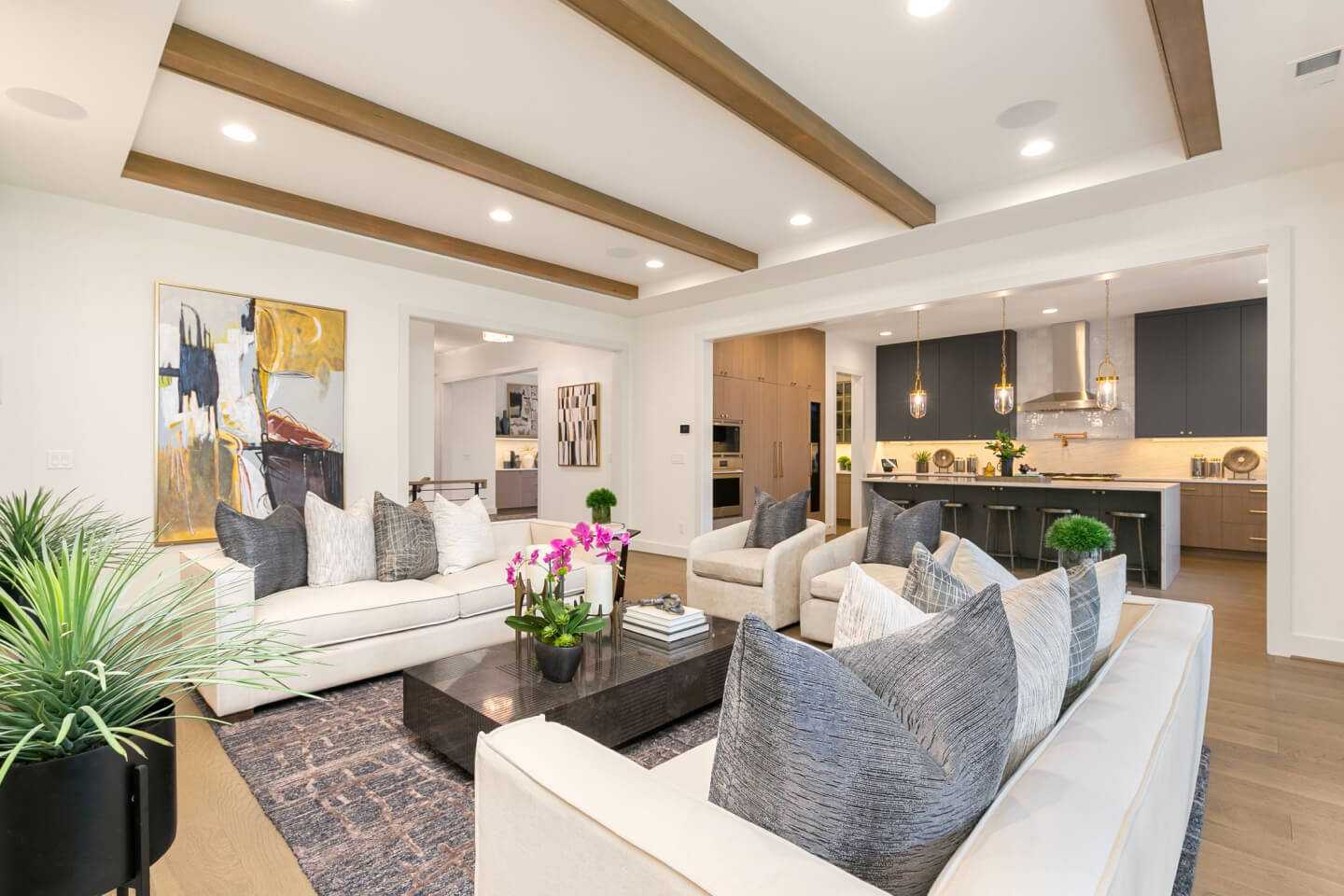
Building new means your home reflects your lifestyle from day one. Open-concept layouts, outdoor living spaces designed for Gulf Coast breezes, and smart home integration come standard. You choose the floor plan that fits your family, not someone else's 1990s vision of living space.
When Buying Existing Makes Sense
Established Neighborhoods & Mature Landscaping
Existing homes in neighborhoods like Destin's historic districts or Mobile's Spring Hill offer mature oak trees, established community character, and proximity to schools and amenities that new developments can't replicate immediately. If you value walking to established restaurants or having 30-year-old shade trees, resale has clear advantages.
Speed & Certainty
Need to move quickly for a job relocation or school enrollment? Resale homes close in 30-60 days versus 6-12 months for ground-up construction. You also know exactly what you're getting—no surprises about the view or final finishes [^12^].
Potential for Immediate Equity
In hot markets, negotiating $20,000 below asking on a resale home creates immediate equity. While new construction prices are typically firm (with incentives applied instead of price reductions), existing homes offer more flexibility for skilled negotiators—especially those willing to renovate.
Gulf Coast-Specific Considerations
Our unique coastal environment creates factors that don't apply inland:
Flood Zones & Elevation: New construction must meet current FEMA Base Flood Elevation requirements, which older homes may predate. Building new in Navarre or Gulf Shores often means elevated foundations that reduce flood insurance costs and provide peace of mind during hurricane season.
Wind Mitigation Credits: Florida and Alabama insurers offer substantial discounts for homes with current wind mitigation features—impact windows, reinforced roof decking, and secondary water barriers. New construction automatically qualifies for maximum credits; older homes require expensive retrofits [^8^].
HOA Considerations: New communities often have active HOAs with amenities (pools, trails, clubhouses) but higher fees. Established neighborhoods may have no HOA or minimal fees, but limited amenities and deferred maintenance issues.
Decision Checklist: Which Is Right for You?
The Real Cost Math
Let's break down the true 5-year cost of ownership for a comparable 2,100 sqft home in Pensacola:
New Construction ($430,000):
- Monthly mortgage (with builder rate buydown): ~$2,400
- Insurance: $200/month
- Utilities: $180/month (high efficiency)
- Maintenance: ~$150/month (warranty coverage)
- Total monthly: ~$2,930
Existing Home ($380,000):
- Monthly mortgage: ~$2,350
- Insurance: $450/month (older roof)
- Utilities: $260/month (less efficient)
- Maintenance: ~$350/month (aging systems)
- Total monthly: ~$3,410
Despite the $50,000 higher purchase price, the new construction scenario saves approximately $480/month in carrying costs—$28,800 over five years—while providing modern amenities and warranty protection [^3^][^11^].
Financing Differences
Construction loans require higher down payments (typically 20-25%) during the build phase, converting to traditional mortgages at completion. However, many Gulf Coast builders now offer "one-time close" construction-to-permanent loans that eliminate the need for two closings.
For resale, conventional financing with 3-5% down is immediately available, though PMI requirements apply under 20% equity. If you have limited cash for a down payment, resale may offer easier entry—though you should budget for immediate repairs and higher operating costs.
Still Unsure? Let's Talk Numbers
Every family's situation is unique. We offer free consultations to review your budget, timeline, and priorities—whether you build with us or buy existing. Get honest advice about what's possible on your lot or in your target neighborhood.
Compare Available PlansFAQ: Build vs Buy on the Gulf Coast
Is it cheaper to build or buy in Florida in 2026?
Upfront, buying existing is usually cheaper by 10-20%. However, when factoring in insurance savings (especially crucial in Florida), energy efficiency, and builder incentives, new construction often wins on total cost of ownership within 3-5 years [^12^].
How long does it really take to build in Pensacola/Gulf Shores?
From permit to move-in, expect 6-8 months for a custom home in Florida and 5-7 months in Alabama, assuming standard weather conditions. Delays typically involve permitting (2-4 weeks) rather than construction.
Can I negotiate on new construction?
Price is usually firm, but everything else is negotiable—upgrades, closing costs, appliances, and landscaping credits. We recommend asking for $15,000-25,000 in "design center credits" rather than purchase price reductions.
What about building on my own lot?
If you already own land in Escambia or Baldwin County, building can be significantly more cost-effective than buying comparable existing inventory—plus you choose exactly what goes on your specific property.
Are new homes really hurricane-ready?
Yes—homes built to current Florida Building Code (2020 and later) include impact-rated windows, reinforced roof connections, and water-resistant barriers that dramatically outperform pre-2000 construction. Many insurers offer 30-40% discounts for these features [^8^].