
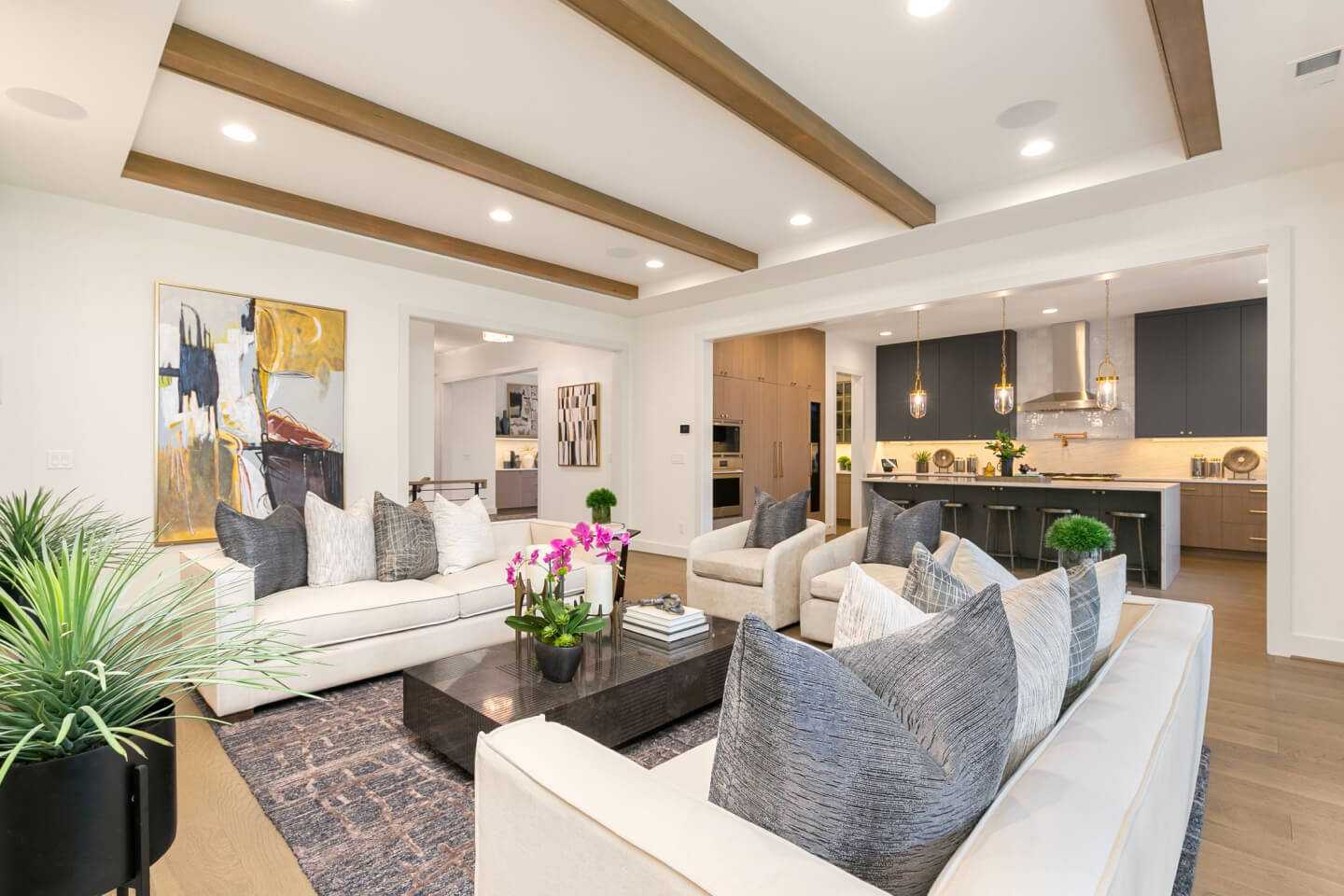
Choosing a floor plan is one of the most personal decisions in the home building process. Unlike paint colors or fixtures, your layout affects how you live every single day—how your family interacts, where children do homework, how you entertain, and even your energy bills. On the Gulf Coast, where indoor-outdoor living reigns and hurricane considerations matter, the right floor plan can transform your lifestyle.
At Delta Max General Contractor, we've guided hundreds of families through this decision across Pensacola, Gulf Breeze, and Gulf Shores. This guide walks you through the essential factors— from open concept versus traditional layouts to traffic flow principles and future-proofing strategies—so you can confidently select a plan that grows with your family.
Open Concept vs. Traditional: Finding Your Style
The debate between open concept and traditional layouts isn't about right or wrong—it's about how you actually live. Each approach offers distinct advantages for Gulf Coast families [^14^][^19^].
The Open Concept Appeal
Open floor plans combine kitchen, dining, and living areas into one expansive space, creating sight lines that stretch from the front door to the back patio. For Gulf Coast homes, this layout maximizes natural light and captures views of the water or mature oaks that define our region [^14^].
Benefits for Coastal Living:
- Entertaining Flow: Hosts can prepare meals while chatting with guests in the living area—essential for the social culture of Destin and Fairhope [^21^]
- Natural Light: Fewer walls allow sunlight to penetrate deep into the home, reducing daytime lighting needs
- Flexible Furniture: Rearrange for holidays, game days, or quiet evenings without wall constraints [^22^]
- Family Connection: Parents can supervise children while cooking or working
Considerations: Open concepts can mean higher cooling costs (challenging in Florida summers), noise travel, and the constant visibility of kitchen mess [^15^]. Homes with high ceilings amplify these effects, creating "warehouse-like" spaces that feel overwhelming rather than welcoming [^14^].
The Traditional Layout Return
While open concept dominated the 2010s, 2025 sees a resurgence of defined spaces. Post-pandemic, families crave quiet zones for remote work, online learning, and mental separation between activities [^20^].
When Traditional Works Better:
- Multi-generational households benefit from private spaces and noise control [^24^]
- Work-from-home professionals need closed doors for Zoom calls and concentration
- Energy efficiency: Smaller, contained rooms cool faster and cost less to climate-control [^19^]
- Defined purpose: Formal dining rooms and living rooms create occasion and ritual
The 2025 Hybrid Approach
Modern Gulf Coast homes increasingly blend both philosophies: open kitchen-family room combinations for daily living, with adjacent private spaces—pocket offices, homework nooks, and separate dens—for focused work [^20^]. This "connected but defined" approach offers the best of both worlds.
Mastering Traffic Flow: The Hidden Key to Comfort
Traffic flow—the paths people naturally take through your home—can make the difference between a space that feels intuitive and one that generates daily frustration. Poor flow creates bottlenecks at busy doorways, interrupts the kitchen work triangle, and turns living rooms into "glorified hallways" [^18^].
The Three-Zone Rule
Effective floor plans organize space into three functional zones that respect natural movement patterns [^16^]:
Home Traffic Flow Zones
Public Zone
Entry, living room, guest bath. Should have direct paths from the front door without cutting through private spaces.
Service Zone
Kitchen, pantry, laundry, garage entry. The "workhorse" areas where efficiency matters most.
Private Zone
Bedrooms, owner's suite, home office. Should be separated from high-traffic public areas for peace and quiet.
Red Flags to Avoid
When reviewing floor plans, watch for these circulation killers identified by professional designers [^18^]:
- Garage-to-kitchen bottlenecks: The path from garage entry should not cross cooking zones or create conflicts with appliance doors
- Bedroom-to-bathroom traffic: Family members shouldn't need to traverse the living room to reach a hall bath
- Front door sight lines: Avoid plans where the entry door aligns directly with a bathroom door or bedroom entrance
- Kitchen triangle interruptions: Major hallways should not cut through the sink-stove-refrigerator work triangle
Gulf Coast Specifics: Designing for Our Climate
Floor plans that work in Minnesota or Arizona often fail on the Gulf Coast. Our unique environment demands specific considerations [^23^]:
Indoor-Outdoor Integration
The best Gulf Coast homes blur the boundary between interior and exterior. Look for floor plans featuring:
- Sliding glass walls (multi-panel sliders) that open entire walls to covered patios
- Outdoor kitchens positioned adjacent to indoor cooking areas for seamless entertaining
- Covered lanai space minimum 12 feet deep to accommodate furniture while staying protected from afternoon storms
- Rear-facing master suites that capture Gulf breezes and backyard privacy
Hurricane-Resistant Layout Features
Smart floor planning enhances storm safety:
- Interior safe rooms: Plans with central bathrooms or closets on the first floor serve as storm shelters
- Split bedroom designs: Separating children's rooms from the master suite by the great room provides structural redundancy
- Elevated living: In flood zones, ensure the "living level" is above Base Flood Elevation with ground-floor space for storage and parking
Room-by-Room Size Guidelines
Square footage means nothing if it's distributed poorly. Here are practical minimums for comfortable living based on our experience building in Navarre and Daphne:
| Space | Minimum Comfortable | Ideal Gulf Coast | Notes |
|---|---|---|---|
| Kitchen | 150 sq ft | 200+ sq ft | Island adds 40 sq ft |
| Great Room | 300 sq ft | 400-500 sq ft | Cathedral ceilings feel larger |
| Master Bedroom | 14' x 16' | 16' x 18' | Must fit king bed + nightstands |
| Secondary Bedrooms | 10' x 11' | 12' x 12' | Queen bed + dresser minimum |
| Master Bath | 5' x 10' | 10' x 12' | Double vanity + walk-in shower |
| Laundry Room | 5' x 6' | 6' x 8' | Space for sorting/hanging |
Future-Proofing: Will This Plan Grow With You?
A custom home is a long-term investment. Consider how your needs will evolve over 10-15 years [^20^]:
Aging-in-Place Features:
- First-floor guest suite that can become a master suite if stairs become challenging
- 36-inch doorways throughout main living areas
- Blocking in bathroom walls for future grab bars
Family Evolution:
- Formal living rooms can become home offices; ensure adequate electrical and data
- Loft spaces work for young children but convert to teen hangouts or craft rooms
- Ground-floor "flex rooms" accommodate aging parents or boomerang children
The Decision Framework
When you're torn between two plans, ask these practical questions:
- Where will the Christmas tree go? (Tests wall space and electrical access)
- Can two cooks work in the kitchen simultaneously? (Tests work triangle efficiency)
- Where do muddy shoes and wet umbrellas land? (Tests mudroom/entry logic)
- Can you unload groceries without crossing the entire house? (Tests garage-to-kitchen flow)
- Where does the dog sleep? (Tests flexibility for pet realities)
See Plans Built for Gulf Coast Living
Browse our curated collection of floor plans designed specifically for Florida and Alabama lifestyles. From beach cottages to family estates, find the layout that matches your vision.
Browse Floor PlansFAQ: Floor Plan Selection
How do I know if an open concept is right for my family?
If you entertain frequently, have young children you want to supervise while cooking, or prioritize natural light, open concept likely suits you. If you work from home full-time, have teenagers who need quiet study space, or prefer formal entertaining, consider defined spaces or hybrid layouts [^14^][^22^].
What's the ideal ceiling height for Gulf Coast homes?
Nine feet is standard for bedrooms, while great rooms benefit from 10-12 foot ceilings with crown molding. Vaulted ceilings over 14 feet can create cooling challenges in our climate and may increase insurance costs [^15^].
Should the master bedroom be on the first or second floor?
First-floor masters suit aging-in-place and empty nesters. Second-floor masters offer better views, privacy from street-level, and separation from children's rooms. In flood zones, the "master up" configuration is often safer [^23^].
How much storage space do I really need?
Plan for 10-15% of your total square footage in dedicated storage—closets, pantry, garage storage, and attic. Gulf Coast homes need extra space for hurricane supplies, outdoor equipment, and seasonal items.
Can I modify a standard plan to fit my needs?
Absolutely. Most builders, including Delta Max GC, offer plan modifications. Common changes include extending garages, adding porches, swapping tub/shower configurations, and adjusting closet sizes. Structural changes (moving load-bearing walls) require engineering but are feasible during the design phase.