Building a home on the Gulf Coast comes with unique opportunities—and unique challenges. From the sugar-white sands of Pensacola Beach to the serene shores of Gulf Shores, Alabama, the Gulf Coast offers some of the most desirable real estate in the Southeast. But with paradise comes responsibility: understanding flood zones is critical for protecting your investment and ensuring your family's safety.
At Delta Max General Contractor, we've helped hundreds of families navigate the complexities of building in flood-prone areas across Florida and Alabama. This guide breaks down everything you need to know about FEMA flood zones, elevation requirements, and smart building techniques that keep your home safe while potentially saving thousands on insurance premiums.
What Are FEMA Flood Zones?
The Federal Emergency Management Agency (FEMA) maps flood zones across the United States to identify areas at risk of flooding. These designations determine building requirements, insurance rates, and lending restrictions. On the Gulf Coast, where hurricanes and storm surges are reality, understanding your zone is the first step toward building smart.
Key Flood Zone Designations on the Gulf Coast
- Zone X (Minimal Risk): Areas outside the 500-year floodplain. Lower insurance rates and fewer building restrictions.
- Zone A (High Risk): Areas with a 1% annual chance of flooding (100-year floodplain). Requires elevation and flood insurance.
- Zone AE (High Risk with BFE): Similar to Zone A but with established Base Flood Elevations (BFE). Most common in Pensacola and Gulf Breeze.
- Zone V (Coastal High Risk): Areas along coastlines subject to wave action. Strictest building requirements, including breakaway walls and elevated foundations.
How to Determine Your Flood Zone
Before purchasing land or beginning construction, confirm your property's flood zone designation through these resources:
- FEMA Flood Map Service Center: Visit msc.fema.gov and enter your address for official flood maps.
- Local Building Departments: Both Pensacola and Gulf Breeze building departments maintain current flood maps and can provide elevation certificates for existing properties.
- Professional Surveyors: For new construction, a licensed surveyor must establish your finished floor elevation relative to the Base Flood Elevation (BFE).
Building Requirements by Zone
Zone AE: The Most Common Gulf Coast Designation
Most Gulf Coast communities—including Navarre, Destin, and Orange Beach—fall within Zone AE. Here, the Base Flood Elevation is established, and building codes require:
- Lowest floor (including basement) elevated to or above BFE
- Flood-resistant materials below BFE
- Proper anchoring to resist flotation and lateral movement
- Utilities (HVAC, electrical) elevated above BFE
At Delta Max GC, we typically recommend building 2 feet above BFE (known as "freeboard"). This added safety margin not only provides extra protection during extreme events but can significantly reduce your annual flood insurance premiums—sometimes by 30-40%.
Zone V: Coastal Construction Standards
Beachfront properties in areas like Perdido Key or Gulf Shores often fall into Zone V. These areas face additional hazards from wave action, requiring:
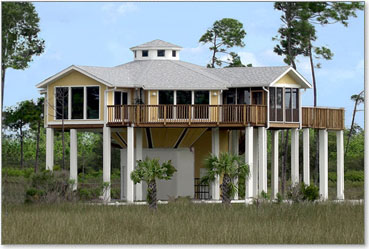
- Open foundations (pilings, piers, or columns) allowing water flow
- Breakaway walls below BFE designed to collapse under flood force without damaging the structure
- Deep pile foundations extending well below grade to resist scour
Our team specializes in elevated custom homes using deep pile systems that meet or exceed FEMA's coastal construction standards while maximizing your views of the Gulf.
Flood Insurance: What Builders and Buyers Should Know
Flood insurance is mandatory for homes in high-risk zones with federally-backed mortgages, but it's wise for all Gulf Coast properties. Key considerations:
Elevation Certificates Matter: Your insurance premium depends heavily on how high your lowest floor sits relative to BFE. Building above BFE can save $1,000+ annually compared to building at BFE.
Community Rating System (CRS): Both Gulf Breeze and Pensacola participate in CRS, offering policy discounts (up to 25%) in communities that exceed minimum floodplain management standards.
Building Materials Impact Rates: Using flood-resistant materials like tile, concrete, and pressure-treated lumber can lower premiums and reduce repair costs if flooding occurs.
Smart Building Techniques for Flood Zones
Elevated Foundations: Pilings vs. Slabs
On the Gulf Coast, raised homes on pilings (piers) are both practical and iconic. Benefits include:
- Protection from storm surge and flooding
- Parking and storage space underneath
- Preservation of natural drainage patterns
- Enhanced cooling through airflow beneath the home
For build-on-your-lot projects, we assess soil conditions to determine optimal piling depth—typically 12-20 feet in sandy coastal soils—to ensure stability during storm events.
Wet Floodproofing vs. Dry Floodproofing
Areas below BFE require special consideration. We use wet floodproofing (allowing water to flow through) for enclosed crawlspaces, featuring:
- Flood vents installed on at least two walls
- Breakaway wall panels
- Water-resistant coatings on concrete
Local Considerations: Florida vs. Alabama
While FEMA sets baseline standards, local amendments vary:
Florida (Pensacola, Gulf Breeze, Navarre): The Florida Building Code requires structures in flood zones to meet enhanced wind and flood standards. Escambia and Santa Rosa counties require additional permitting for coastal construction.
Alabama (Gulf Shores, Orange Beach, Fort Morgan): Baldwin County enforces strict setbacks from the Gulf and requires coastal construction control line permits for beachfront building. Alabama's amendments often exceed FEMA minimums for pile depth and spacing.
Our team maintains current licenses in both states—FL RG291104087/RC29027815 and AL 29373—ensuring your project meets all local requirements whether you're building in Destin or Mobile.
Ready to Build Above the Flood?
Don't let flood zones intimidate you. With proper planning and the right builder, Gulf Coast living is both safe and spectacular. Browse our elevated home plans or schedule a consultation to discuss your lot's specific requirements.
Browse Elevated Home PlansFAQ: Common Flood Zone Questions
Can I build in a V-zone?
Yes, but with strict adherence to coastal construction standards. Our team has extensive experience with V-zone custom homes on Perdido Key and Gulf Shores.
How much does elevation cost?
Elevating a home on pilings typically adds $15,000-$30,000 compared to slab construction, but the insurance savings and peace of mind often pay for themselves within 5-7 years.
What if my lot is below BFE?
Fill dirt can sometimes raise the building pad, but environmental regulations often restrict this in coastal areas. We can evaluate alternative foundation systems or help you find a better-suited lot.
Do I need flood insurance if I pay cash?
While not legally required without a mortgage, we strongly recommend flood insurance for all Gulf Coast properties. Even Zone X areas can flood during extreme events.