
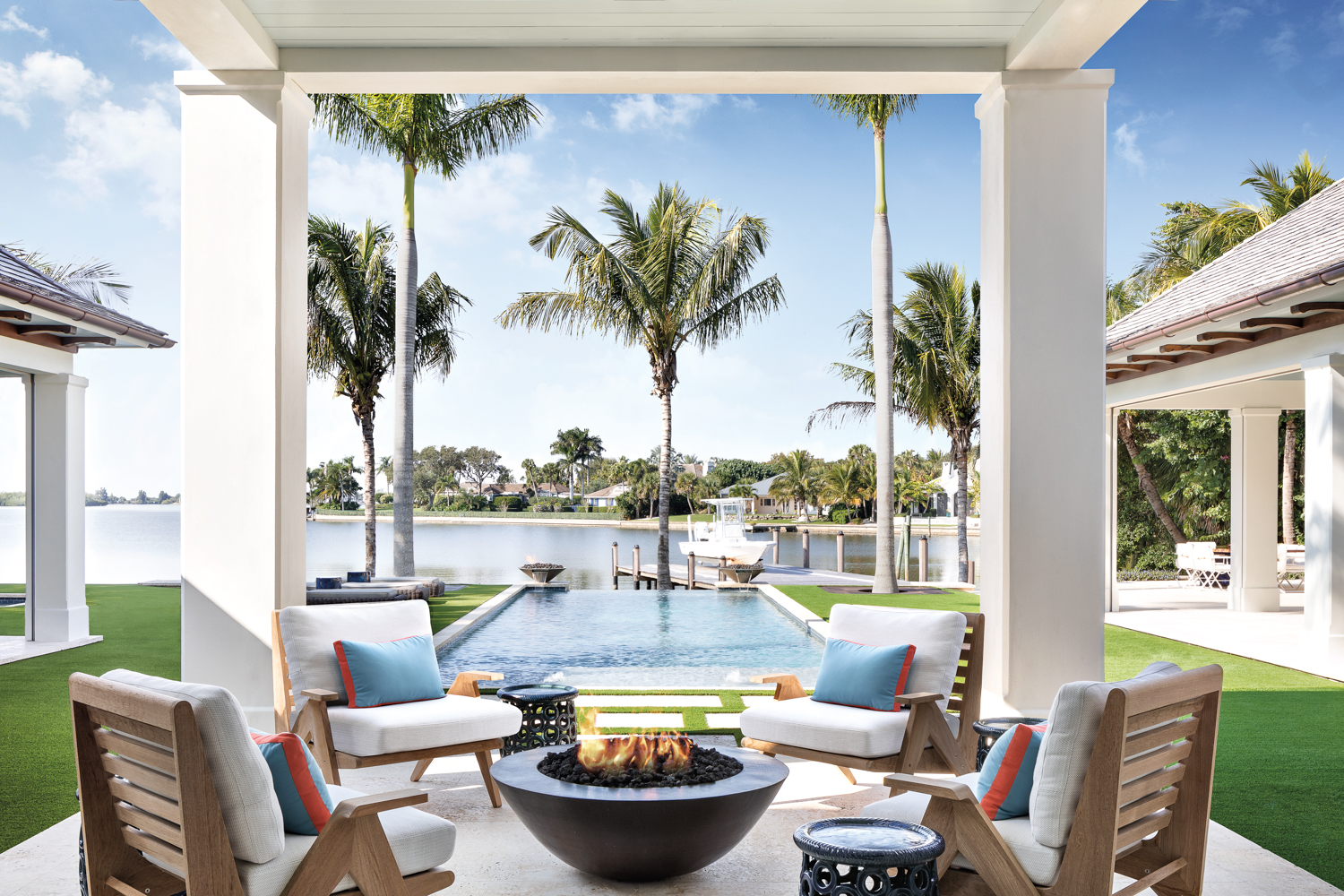
On the Gulf Coast, your backyard isn't just an afterthought—it's an extension of your home and a gateway to the spectacular natural beauty that draws people to Florida and Alabama. From the sugar-white sands of Destin to the bayous of Mobile, outdoor living spaces define the coastal lifestyle.
But designing outdoor spaces for the Gulf Coast requires more than just beautiful furniture. Hurricane resistance, salt air durability, and intense sun exposure demand smart design choices. At Delta Max General Contractor, we specialize in creating outdoor environments that are as resilient as they are relaxing.
The Foundation: Covered Porches and Patios
A well-designed covered porch serves as the transition between indoor comfort and outdoor beauty. For Gulf Coast homes, coverage isn't optional—it's essential for protection from both blazing sun and sudden afternoon thunderstorms.
Essential Covered Porch Features
- Minimum 10-Foot Depth: Allows comfortable furniture placement away from rain blowing in
- Impact-Rated Ceiling Fans: Dual-direction fans (52"+ recommended) for year-round comfort
- Recessed Lighting: Wet-rated LED fixtures on dimmers for ambiance without bug-attracting heat
- Electrical Outlets: GFCI outlets every 6-8 feet for convenience and entertaining
- Hurricane Shutters: Decorative Bahama or colonial shutters that protect while adding charm
Roof Design Considerations
The pitch and material of your porch roof matter immensely in hurricane country:
- Metal Roofing: Standing seam metal in light colors reflects heat and withstands 140+ mph winds
- Adequate Pitch: Minimum 3:12 pitch ensures rapid water shedding during Gulf Coast downpours
- Tie-Down Engineering: Porch roofs must be integrated into the main roof structure, not simply attached
- Vented Soffits: Proper ventilation prevents moisture buildup in humid coastal air
Outdoor Kitchens: The Heart of Coastal Entertaining
No Gulf Coast outdoor space is complete without a kitchen designed for alfresco dining. But salt air and humidity demand specific material choices.
Weather-Resistant Cabinetry
Skip the standard outdoor cabinets and invest in marine-grade materials:
- 304 or 316 Stainless Steel: Higher chromium content resists salt corrosion better than standard 409 stainless
- Polymer Cabinets: Marine-grade polymer (like King StarBoard) won't warp, rot, or fade in intense UV
- Teak or IPE Wood: If you prefer natural materials, choose dense tropical hardwoods with regular maintenance
Appliance Selection
Appliances rated for outdoor use in coastal environments feature enhanced corrosion protection:
- Built-in gas grills with infrared searing zones (32" minimum for entertaining)
- Under-counter refrigerators rated for outdoor use (different from garage refrigerators)
- Ice makers with marine-grade components
- Side burners for sauces and sides without running indoors
Budget typically runs $15,000-$35,000 for a well-appointed Gulf Coast outdoor kitchen, depending on appliances and finishes.
Hurricane-Resistant Design Strategies
Creating beauty that withstands nature's fury requires intentional engineering:
Wind-Rated Structures
Freestanding pergolas and pavilions must meet Florida and Alabama wind codes:
- Posts set minimum 3 feet deep in concrete piers (deeper in sandy soils)
- Hardware using hot-dipped galvanized or stainless steel bolts (never nails alone)
- Beam sizing adequate for 120+ mph wind loads
- Removable shade panels or hurricane-rated fixed louvers
Impact-Resistant Screening
If you want a bug-free zone, skip standard fiberglass screening:
- Pet-Resistant Screening: Heavy-duty vinyl-coated polyester withstands wind and curious pets
- Retractable Screens: Motorized screens with wind sensors retract automatically when gusts exceed 25 mph
- Impact Windows: For true year-round rooms, install impact-rated windows instead of screening
Materials That Survive Salt and Sun
Gulf Coast outdoor spaces battle intense UV, salt spray, and humidity. Material selection determines longevity:
Decking: Composite decking (Trex, TimberTech) or tropical hardwoods (IPE, Cumaru) resist warping and splintering. Avoid standard pressure-treated pine—it holds too much moisture.
Railing: Aluminum with powder coating or 316 stainless steel cable systems offer unobstructed views without rust. Glass panel railings provide wind protection but require frequent cleaning.
Furniture: Marine-grade polymer, powder-coated aluminum, or teak will survive multiple seasons. Cushions should use Sunbrella or equivalent outdoor-rated fabrics with quick-dry foam.
Creating Indoor-Outdoor Flow
The best Gulf Coast homes blur the line between inside and out:
Bi-Fold and Sliding Glass Walls
Large opening glass walls (12-24 feet wide) create dramatic transitions when weather permits. Look for:
- Impact-rated glass (mandatory for Florida coastal construction)
- Recessed tracks that flush with flooring to eliminate tripping hazards
- Integrated screens for bug protection when open
Consistent Flooring
Using the same or complementary flooring materials inside and out visually expands both spaces. Porcelain tile rated for exterior use offers durability with style continuity.
Lighting and Electrical Considerations
Proper lighting extends outdoor usability from sunset to bedtime:
- Task Lighting: Under-counter LEDs in outdoor kitchens for safe food prep
- Ambient Lighting: String lights rated for permanent outdoor installation create atmosphere
- Safety Lighting: Step lights and path lighting prevent trips on uneven surfaces
- Smart Controls: Weatherproof smart switches allow control via phone—no more going inside to adjust lights
All outdoor electrical must use GFCI protection and wet-rated fixtures. We recommend dedicated 20-amp circuits for outdoor kitchens to handle multiple appliances simultaneously.
Ready to Expand Your Living Space Outdoors?
Don't settle for a basic slab and patio furniture. Let us design an outdoor living area that handles hurricane season in style and becomes your family's favorite room—rain or shine.
Explore Custom Home PlansFAQ: Outdoor Living Design
Do I need a permit for a covered porch?
Yes, in all Florida and Alabama Gulf Coast jurisdictions, covered structures require permits and must meet current wind codes. Detached structures under 120 square feet sometimes have exemptions, but always verify with local building departments.
How much does an outdoor kitchen add to home value?
Well-designed outdoor kitchens typically return 60-80% of investment in Gulf Coast markets, with higher returns in luxury neighborhoods like Gulf Breeze or Fairhope.
Can I add an outdoor kitchen to my existing home?
Absolutely. Our remodeling division regularly adds outdoor kitchens and covered porches to existing homes. The key is ensuring proper utility connections and structural support.
What's the best orientation for a covered porch?
North or east-facing porches receive gentle morning sun and avoid harsh afternoon heat. South-facing porches need deeper coverage (12+ feet) and ceiling fans to remain comfortable in summer.
How do I protect electronics in an outdoor kitchen?
Install appliances in cabinets or under counters rather than exposed. Use weatherproof covers when not in use, and ensure all outlets are GFCI-protected. During hurricane preparation, move small electronics indoors.